01.2026 / Translation
Translation Management: Between AI and Translation

Why machine translation cannot do without humans
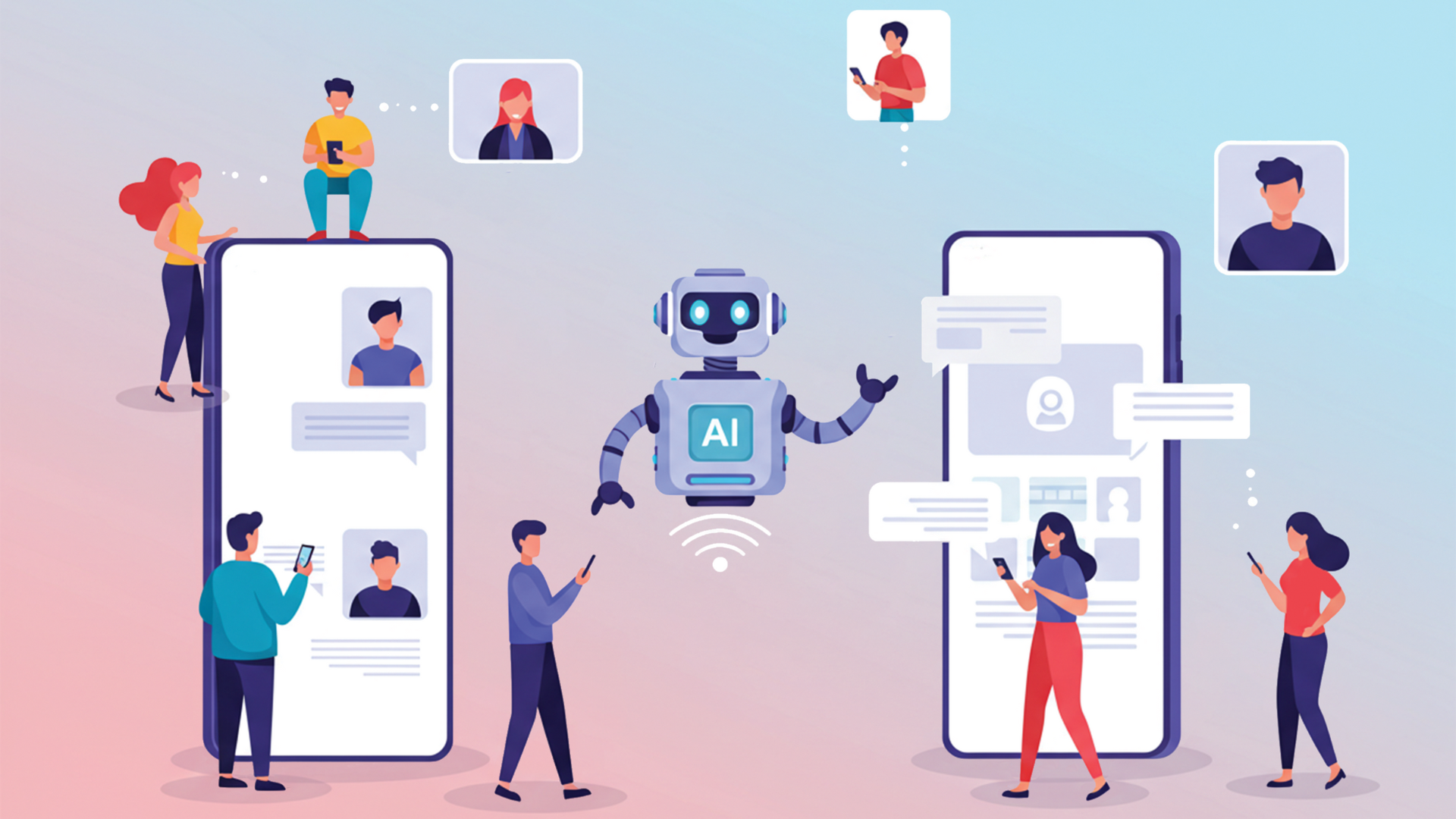
Automated translation has long been an integral part of modern workflows. It saves time, reduces costs, and can process large volumes of data in record time. Yet, despite all these advantages, one key question remains: does it replace the human element?
At our company, machine translation is used in a targeted and responsible manner – as an initial step to provide a raw translation, particularly for large volumes of text or recurring formats. While the machine offers speed and consistency, it cannot grasp nuances, cultural subtleties, or industry-specific expectations.
This is precisely where the real work of our experts begins. Through a process known as post-editing, they carefully review every machine-generated translation – refining phrasings, adjusting tone, style, and context – to ensure the text is not only accurate but also sounds natural and is perfectly tailored to the target audience. This work is always carried out by native speakers who possess a deep understanding of the target culture, the specific industry, and the typical patterns of communication.
Quality in translation does not happen automatically. It emerges from the interplay between technology and human intuition. Machines provide speed and structure, while our team contributes precision, empathy, and cultural understanding. It is this combination that transforms a translation into a text that truly works – technically, linguistically, and emotionally.
We know that there is much more to good translations than meets the eye. That is precisely why we rely on the best of both worlds: intelligent technology and human expertise.
Translations are more than just words
Tone, terminology, and cultural nuances play a crucial role. It is precisely these subtleties that simple tools like Google Translate or generic AI systems usually grasp only superficially – or, in the worst-case scenario, misinterpret entirely. Language is more than just a string of words; it conveys attitudes, emotions, context, and expectations that vary from one culture to another.
We ensure quality through structured review cycles, continuous market feedback, and the targeted use of AI-powered analytics. Over many years, we have refined and consistently optimized this process. Our greatest advantage lies in the close collaboration among all those involved: translators – a team of native speakers covering dozens of languages – , experienced reviewers, and project managers who coordinate the entire workflow and ensure that every detail is just right.
This interplay creates far more than a mere translation. It fosters genuine understanding – producing texts that appear professional, build trust, and convey a sense of rapport. The resulting content is not only accurate but also achieves the desired impact, truly resonating with the target audience.
This is the only way to create texts that are not just translated, but also understood – in every language, in every market, and by everyone who reads them.
You might also like the following posts
Dive deeper: These articles from the same category offer fresh perspectives, compelling insights, and further ideas designed to spark your curiosity and invite you to keep reading.

Get in touch!
Together, we will take your project a decisive step forward.